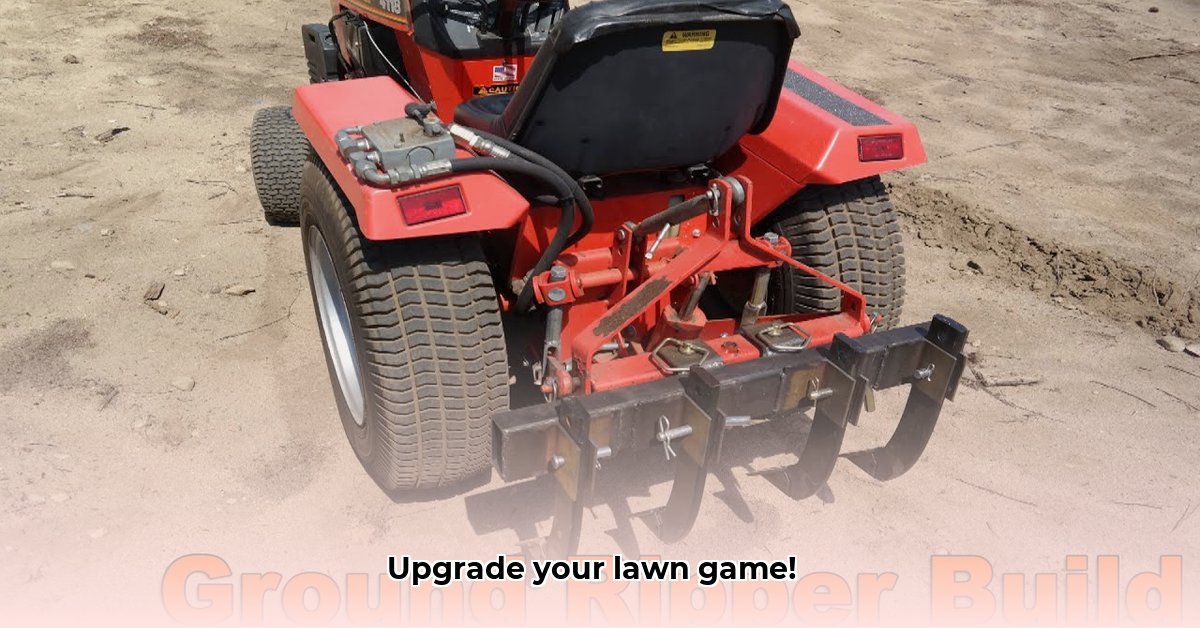
Choosing the right lawn tractor cultivator can significantly impact your gardening success. This comprehensive guide helps you navigate the options, ensuring you select the perfect tool for your needs. We'll review popular models, discuss key features, and provide a step-by-step process for making an informed decision. For even more information, check out this helpful tractor cultivator guide.
Understanding Your Gardening Needs: Soil and Scale
Before diving into specific cultivator models, it's crucial to assess your garden's characteristics. What type of soil do you have? Heavy clay soil requires a more robust cultivator than lighter, sandy soil. A cultivator built for thick clay might be unnecessarily powerful for loose soil. Similarly, garden size drastically influences your choice. A small herb garden needs a far smaller and lighter cultivator than a large vegetable patch—using a large cultivator on a small plot is inefficient.
Top Lawn Tractor Cultivator Models: A Comparative Review
The following table compares several popular cultivator models. Remember, the "best" cultivator depends on your individual circumstances and budget. The information provided here is for general guidance; always consult the manufacturer's specifications for precise details.
| Model | Engine Horsepower | Tilling Width (inches) | Tilling Depth (inches) | Tine Type | Tractor Hitch | Approximate Price Range ($) | Key Features |
|---|---|---|---|---|---|---|---|
| Stream Industrial Tiller | 10-15 | 36-48 | 6-8 | Adjustable | Category 1 | 800-1200 | Powerful, versatile, suitable for heavy soil. |
| Field Tuff ATV-3665 | 8-12 | 36 | 4-6 | Fixed | Category 1 | 600-900 | Reliable, good value for medium-sized gardens. |
| Agri-Fab 45-0308 | 5-7 | 30 | 4-6 | Fixed | Category 0 | 300-500 | Budget-friendly, suitable for smaller gardens. |
| SI Tine Cultivator | Varies | Varies | Varies | Adjustable | Varies | Varies | Wide range of options available. |
| DR pull-behind tiller | Varies | Varies | Varies | Adjustable | Varies | Varies | Known for quality and durability. |
| Field Tuff cultivator | Varies | Varies | Varies | Adjustable | Varies | Varies | Offers a variety of models for different needs. |
Key Cultivator Features: What to Prioritize
Several key features significantly influence a cultivator's performance and longevity. Understanding these features is crucial to selecting the right tool.
Engine Horsepower: Higher horsepower translates to greater power for tilling, especially beneficial for heavy clay soil. Think of it as the cultivator's muscle. More power means less strain on the tractor and faster work.
Tilling Width: A wider tilling width means covering more ground per pass, thus saving time and effort. This is similar to the difference between using a wide paintbrush versus a narrow one.
Tilling Depth: This determines how deep the cultivator can work the soil. Deeper tilling loosens compacted soil, while shallower tilling is often sufficient for lighter work. This depth is critical for aeration and root growth.
Tine Type: Adjustable tines offer versatility, allowing you to customize tilling depth and aggressiveness. Fixed tines usually provide greater durability but less flexibility.
Tractor Hitch Compatibility: Ensure your cultivator's hitch type (Category 0, 1, or 2) matches your tractor's hitch system. Using incompatible hitches can lead to damage or injury.
A Step-by-Step Guide to Choosing Your Lawn Tractor Cultivator
Assess Your Needs: Carefully evaluate your soil type, garden size, and budget. This forms the foundation of your selection process.
Research Models: Use online reviews, buying guides, and even consult with fellow gardeners to understand the strengths and weaknesses of various models.
Compare Specifications: Analyze the engine horsepower, tilling width and depth, and hitch compatibility of different cultivators, ensuring a perfect fit for your needs.
Read Reviews: Pay close attention to real-world user experiences. These provide valuable insights into long-term performance and potential issues.
Consider the Warranty: A good warranty reflects the manufacturer's confidence in their product and offers protection against defects.
Choose a Reputable Dealer: A reputable dealer provides support, answers questions, and facilitates parts acquisition.
Cultivator Maintenance: Keeping Your Tool in Top Condition
Regular maintenance prolongs the life of your cultivator:
Thorough Cleaning: Remove all soil after each use to prevent corrosion and build-up.
Tine Inspection: Regularly inspect tines for bending or breakage, replacing damaged ones promptly.
Lubrication: Keep moving parts well-lubricated to minimize wear and tear.
Proper Storage: Store the cultivator in a dry place, protecting it from the elements.
Investing in the right lawn tractor cultivator is investing in a healthier, more productive garden. By following these steps, you can significantly improve your gardening experience.